
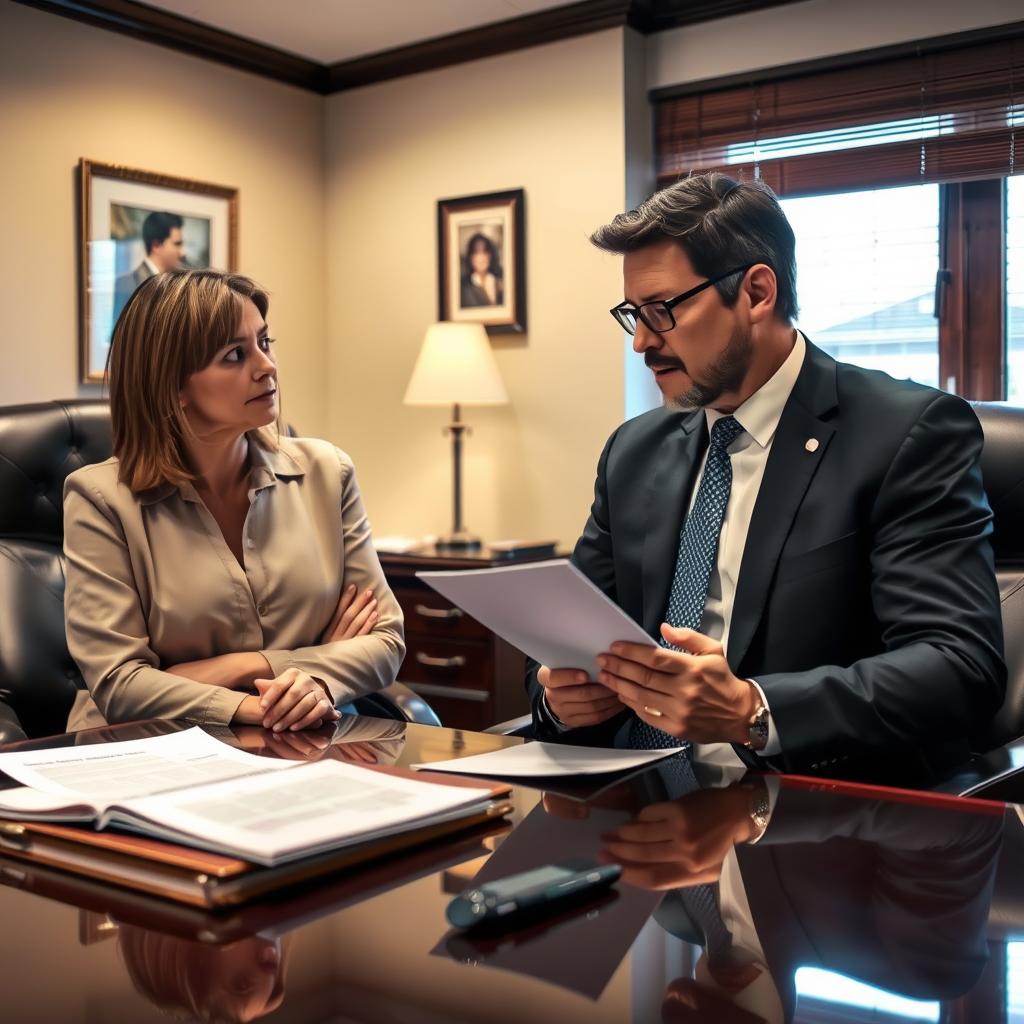
Leaving the Scene Defense Lawyer Arlington County, VA
If you have been charged with leaving the scene of an accident in Arlington County, Virginia, the stakes are immediate and serious. Under Va. Code § 46.2-894, the duty to stop and render aid after an accident is absolute. A conviction for fleeing the scene can bring felony-level consequences—including substantial incarceration, long-term license loss, a permanent criminal record, and severe insurance repercussions. At Law Offices Of SRIS, P.C., Mr. Sris and his Of Counsel represent drivers facing these charges at the Arlington County General District Court on North Courthouse Road and at the Arlington County Circuit Court. Founded in 1997, our firm brings extensive courtroom experience to hit-and-run and failure-to-stop defense. We work to protect your driving privileges, your liberty, and your future. For a confidential consultation, reach our location at (888) 437-7747. Law Offices Of SRIS, P.C. – Advocacy Without Borders.
What Leaving the Scene Defense Means in Arlington County
Leaving the scene of an accident—often called hit-and-run or failure to stop—is one of the most actively prosecuted traffic offenses in Virginia. Arlington County, as an urban jurisdiction directly adjacent to the District of Columbia, sees a high volume of vehicle collisions on major arteries like I-66, Route 50, Columbia Pike, and I-395. The Arlington County General District Court, located at 1425 N. Courthouse Rd, Suite 2400, is presided over by Hon. Jason S. Rucker and handles all initial appearances for leaving-the-scene charges. Cases that proceed to felony indictments are heard at the Arlington County Circuit Court.
Arlington County General District Court is currently presided over by Hon. Jason S. Rucker. Court hours: Mon-Fri 8:00AM-4:00PM. Counsel appearing on traffic matters should plan filings accordingly.
Under Virginia law, the severity of a leaving-the-scene charge depends on the harm caused. A driver who leaves the scene of an accident involving injury or death faces a Class 5 felony. When the damage to attended property exceeds $1,000, the offense is a Class 6 felony. Even where the dollar threshold is not met, the conduct can be charged as a misdemeanor. The common thread in every leaving-the-scene case is the Commonwealth’s determination to hold drivers accountable. An experienced defense attorney examines every element—whether the driver knew an accident occurred, whether the driver actually failed to stop, and whether any statutory defenses apply.
How Mr. Sris and His Of Counsel Handle Leaving the Scene Defense Cases
When you engage Law Offices Of SRIS, P.C., your leaving-the-scene defense becomes a collaborative effort between Mr. Sris, a former prosecutor, and his Of Counsel team, which includes attorneys with firsthand law enforcement experience. This blend of perspectives allows the firm to anticipate the Commonwealth’s tactics while scrutinizing the police report, witness statements, and physical evidence for procedural or factual weaknesses. Our approach is built on thorough investigation: we identify whether there were alternative explanations for a driver’s departure—such as a medical emergency, a lack of awareness of the collision, or a good-faith belief that no damage had occurred.
We appear regularly in the Arlington County General District Court and Circuit Court, handling bench trials, preliminary hearings, and plea negotiations. The goal in every case is to work toward a favorable resolution—whether that means a dismissal, a reduction to a lesser traffic infraction, or a not-guilty verdict at trial. Mr. Sris and his Of Counsel understand the local prosecutors, the court’s expectations, and the unique procedural rules that govern Arlington County traffic cases. Plea bargaining is permitted under Rule 3A:8 of the Rules of the Supreme Court of Virginia; the Commonwealth’s Attorney and defense counsel may negotiate a plea agreement, which the court may accept or reject. Results may vary.
About Mr. Sris and His Of Counsel Team
Mr. Sris, Owner and Founder of Law Offices Of SRIS, P.C., has been practicing law since 1997 and is admitted in Virginia, Maryland, the District of Columbia, New Jersey, and New York. Before founding the firm, he served as a prosecutor, gaining insight into how the government builds its cases. Mr. Sris testified before the Virginia House Courts of Justice Committee in support of 2019 HB 635 (chief patron Del. David Bulova). He leads a team of Of Counsel attorneys—experienced litigators whose backgrounds include former law enforcement, criminal prosecution, and decades of courtroom advocacy. Mr. Sris and his Of Counsel bring extensive combined legal experience to every leaving-the-scene matter in Arlington County.
Frequently Asked Questions
Is leaving the scene a misdemeanor or felony in Virginia?
The classification depends on the harm caused. Under Va. Code § 46.2-894, leaving the scene of an accident where a person is injured or killed is a Class 5 felony. If the accident results in property damage exceeding $1,000, the charge is a Class 6 felony. For less serious incidents, the offense may be prosecuted as a misdemeanor. Mr. Sris and his Of Counsel can explain how the specific facts of your case determine the charge and potential penalties.
How does a Virginia lawyer defend against leaving the scene charges?
Defense strategies may include challenging the prosecution’s evidence, demonstrating that the driver was unaware of the collision, or asserting a statutory defense. Our firm investigates whether the driver actually knew an accident had occurred, whether the driver stopped and provided identification as required, and whether any emergency justified leaving. We also examine the accuracy of witness identifications and the completeness of the police investigation. Each case is fact-specific, and we build a defense tailored to those facts under Va. Code § 46.2-894.
What should I do if I am facing leaving the scene charges in Arlington County?
Contact a qualified traffic defense attorney immediately. Do not discuss the facts with anyone except your lawyer. Preserve any evidence that may relate to the incident—photographs of the scene, vehicle damage, or medical records if injury is involved. An attorney can help you understand the charges, protect your rights, and prepare a response to the court. Mr. Sris and his Of Counsel accept leaving-the-scene clients in Arlington County and can appear at the Arlington County General District Court on your behalf.
Can leaving the scene charges be reduced in Arlington County?
Yes, in some cases the Commonwealth’s Attorney may agree to amend the charge to a lesser offense. Possible reductions include amending a felony hit-and-run to a misdemeanor failure to report an accident, or reducing a charge to a traffic infraction. The likelihood of a reduction depends on factors such as the defendant’s prior record, the degree of damage or injury, and the strength of the evidence. Mr. Sris and his Of Counsel have documented case results in Arlington County that include favorable outcomes through negotiated amendments. Results may vary.
Do I need a lawyer for a leaving the scene charge in Arlington County?
Yes. A leaving-the-scene conviction can result in a criminal record, significant jail time, license suspension, DMV demerit points, and a substantial increase in auto insurance premiums. Arlington County courts do not appoint counsel for felony charges unless the defendant demonstrates indigency, and the procedural rules can be complex. Mr. Sris and his Of Counsel appear regularly in Arlington County traffic courts and understand the local procedures, the prosecutors, and the strategic options available. For a consultation, reach Mr. Sris and his Of Counsel at (888) 437-7747.
Virginia Law and Court Resources
For direct access to the statute and court information, consult these official sources:
- Virginia Code § 46.2-894 — Duty of driver to stop, render aid, and report
- Arlington County General District Court
- Virginia Judicial System
Attorney advertising. Prior results do not guarantee a similar outcome. Results may vary.
Case results depend on a variety of factors unique to each case.